Best eLearning Development Skills Singapore
Introduction: The Multifaceted Nature of eLearning Development
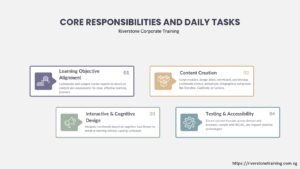
eLearning development has changed dramatically over the past 20 years, evolving from simple online informationals material into comprehensive, interactive, and individualized learning experiences. Today’s learners expect more than digital lecture notes or recorded presentations; they seek seamless instructional flow with multimedia, interactivity, and engagement modules. To meet these expectations, eLearning developers must combine technical skills, teaching expertise, design creativity, and project management. The proficiency required is vast and constantly evolving with technology. Being an eLearning developer now means more than knowing software—it requires creating purposeful learning experiences that address diverse needs and produce measurable outcomes.
Instructional Design and Learning Theory
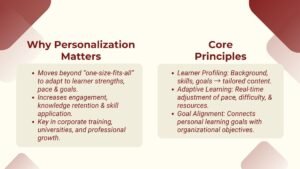
Expertise Effective eLearning development relies heavily on knowledge of instructional design principles and learning theories. Developers are strategists, not just content converters, outlining courses that foster engagement, retention, and practical knowledge application. Familiarity with models like ADDIE or Bloom’s Taxonomy, as well as understanding adult learning principles, is essential. Developers must also select the right delivery formats—microlearning for quick skill updates, scenario-based training for problem-solving, or simulations for complex tasks. Knowledge of cognitive load theory, motivation techniques, and spaced repetition ensures learners are not overwhelmed and can retain knowledge long-term.

Technical Proficiency in Authoring Tools and Platforms
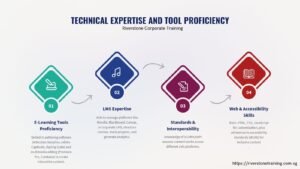
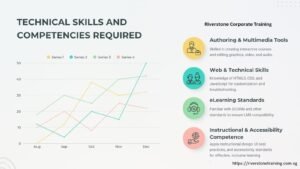
Technical expertise is critical for eLearning developers. Authoring tools like Articulate Storyline, Adobe Captivate, Lectora, and Rise 360 allow the creation of interactive modules, while video editing software such as Adobe Premiere Pro and Camtasia supports multimedia integration. Skills in HTML5, CSS, and JavaScript provide customization and compatibility options, while knowledge of SCORM, xAPI, and AICC standards ensures content works across multiple Learning Management Systems (LMS). Developers also need the ability to upload, test, troubleshoot, and ensure cross-device compatibility so learners can access content on desktops, tablets, and smartphones.
Graphic Design and Multimedia Production Skills
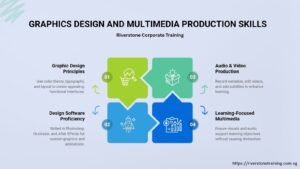
Visual and multimedia design is essential to maintain learner engagement. Developers should understand graphic design principles such as color theory, typography, and layout to create functional and appealing interfaces. Software like Adobe Photoshop, Illustrator, and After Effects allows for custom graphics, animations, and visual effects. Audio and video production skills—including recording narration, editing, and adding subtitles—enhance the learning experience. Multimedia elements must align with learning objectives, not distract from them, to maximize understanding and retention.
Communication, Collaboration, and Project Management
eLearning development is rarely a solo effort. Developers must collaborate with subject matter experts, instructional designers, multimedia specialists, and stakeholders. They need to communicate technical feasibility clearly to non-technical team members, provide constructive feedback, and adapt to project demands. Project management skills, including familiarity with Agile methodologies and tools like Trello or Asana, help developers balance multiple projects, meet deadlines, and keep stakeholders informed.
Adaptability and Continuous eLearning Development Skills Singapore
The eLearning field is constantly evolving with new technologies, design strategies, and pedagogical findings. Developers must adapt to innovations such as virtual reality, augmented reality, gamification, and adaptive learning systems. Continuous professional growth—through courses, webinars, conferences, and industry publications—is essential. Developers must also design for inclusivity and accessibility, following standards like WCAG, to ensure learners with disabilities can engage with content effectively.
Analytical Thinking and Evaluation Skills
Creating a course is not enough;
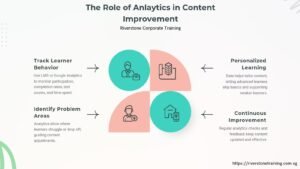
importance of employee training Singapore must evaluate its effectiveness. Analytical skills help measure whether courses achieve learning goals, provide value, and identify areas for improvement. This includes designing evaluation tools, analyzing learner outcomes, incorporating feedback, diagnosing technical issues, and optimizing user experience. Combining quantitative data with qualitative feedback enables developers to make informed decisions and continuously improve learning content.
Conclusion: Building a Well-Rounded Skill Set for Success
Technical knowledge or creativity alone does not make a successful eLearning developer. The role requires a combination of competencies, including instructional design, technical applications, multimedia production, collaboration, flexibility, and analytical assessment. As technology advances and the demand for flexible, engaging learning grows, eLearning developers remain central to shaping the future of
edtech valuation Singapore . Professionals who cultivate this diverse skill set will stay relevant in the field and play a key role in redefining knowledge transfer and learning in the digital age.